Blog

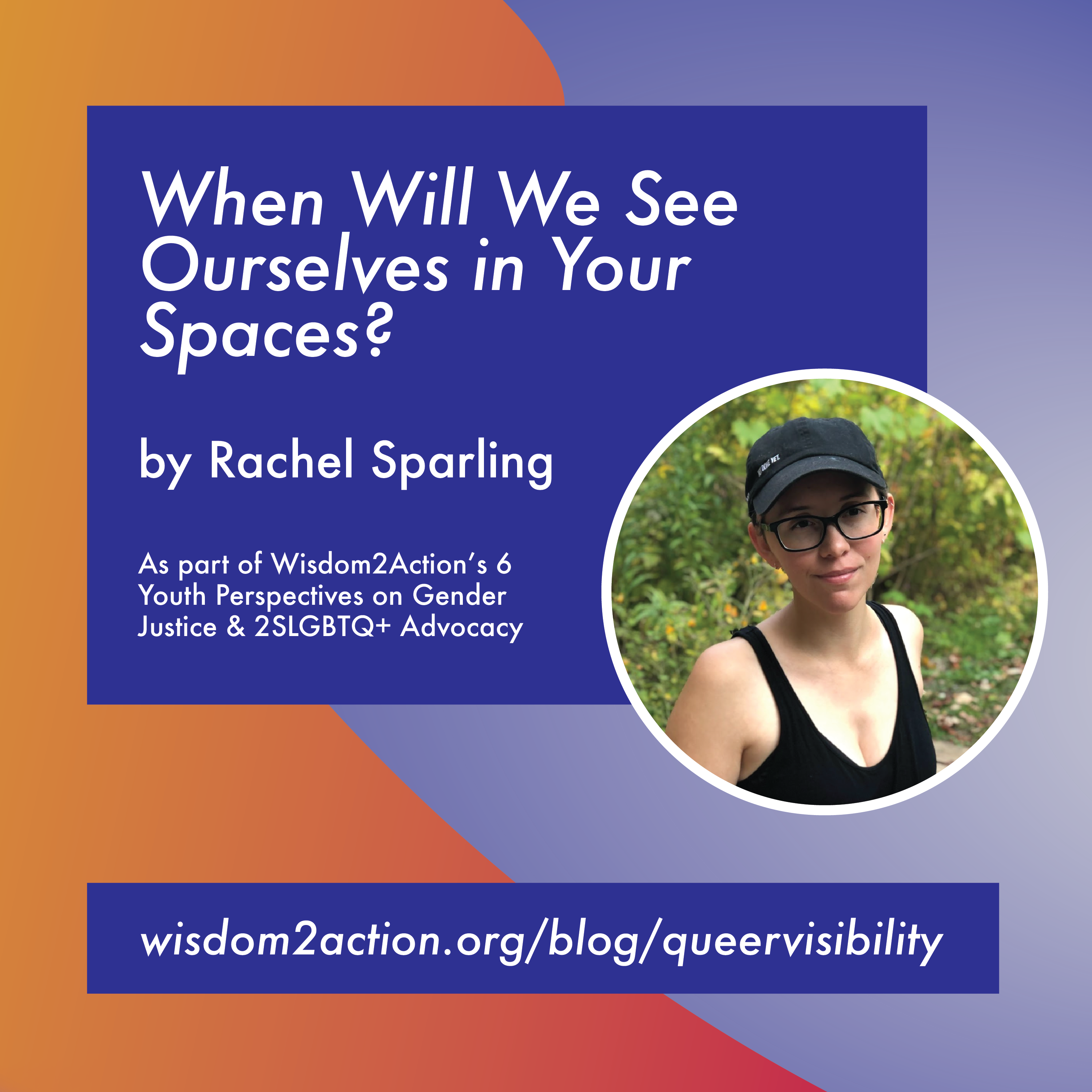
When Will We See Ourselves in Your Spaces?

Bringing Visible Queer Inclusion into Community Spaces & Organizations by Rachel Sparling Positionality Before we start this conversation, I want to acknowledge that I am currently on the Haldimand Tract, the territory of the Neutral, Anishnaabe, and Haudenosaunee people. My home is in Mi’kma’ki, the unceded land of the Mi’kmaq people. For those of us who are settlers, take a moment before we continue to reflect on the spaces you’re in. Are Indigenous people represented? Is anti-colonial work happening? Whether these reflections are new to you or not, it’s vital to

Read More >

Understanding Gender-Based Violence as Colonial Violence

by Toby Nashak Within indigenous communities, there is a widespread crisis related to trans identities. I believe that there should be some light shed on the topic. In many of these communities, there is very minimal education on 2SLGBTQ+ topics. Due to the lasting impacts of colonialism,, there is a strong likelihood of people being closed minded; But this isn’t the only issue. The way that many of us see gender and sexualities that differ from the norm have been tainted by colonization. What does this mean? Let me explain.

Read More >

Placemaking as a QTBIPOC

by Kenzie Wass We have to acknowledge the ways in which the queer community was shaped. Historically in Canada queer spaces prioritized white middle class gay men. In the 50’s and 60’s that was the demographic of most spaces, not just queer ones. Come the 70’s lesbians made more headway and women’s rights were flourishing, gay and lesbian rights joint forces. While the 70’s brought a lot of racial protest in North America, there was a huge gap in rights afforded to people of colour, especially queer people of colour.

Read More >

How to Communicate Your Feminist Agenda

The digital space wasn’t made by or for us. And although it’s a powerful tool for building our movements – the layered and gendered violence we face in everyday life is vastly amplified online. That’s why communicating your feminist agenda is way more than imparting or exchanging information. It must be grounded in a bottom-up approach, where self and collective care, advocacy, fair pay, and intersectionality, are the medium and the message.

Read More >

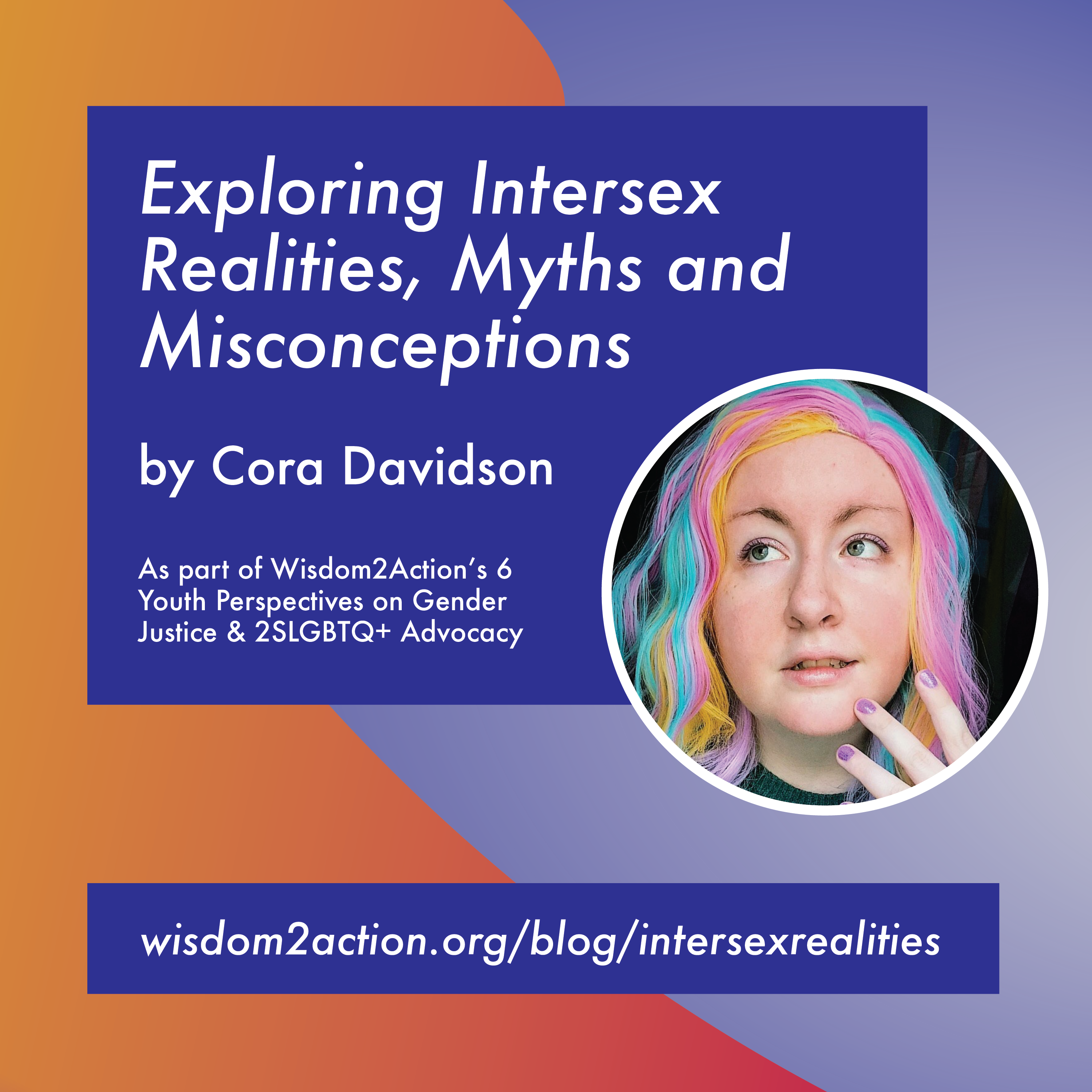
Exploring Intersex Realities, Myths, and Misconceptions

by Cora Davidson Read in French As we head into 2022, we can agree that our understanding of concepts such as sexual orientation and gender identity has grown substantially, including its’ nature as a spectrum and the multitude of realities and experiences lived by LGBTQ+ individuals. However, when we make mention of “biological sex” and its’ influence on the way it contributes to being assigned to a binary gender (female or male), many still tend to believe sex only encompasses female and male. From a scientific and anthropologic standpoint, this

Read More >

Peer Education on SRHR: There’s Always More To Learn.

by Alice Gauntley If you’re a young person who has done any kind of activism on sexual and reproductive health and rights (SRHR), you’ve probably had people ask you what that’s like. Maybe you even have some stories ready–funny stories or inspiring stories. I know I do. But I know there are other stories I didn’t always know how to tell, because just thinking about them made me a little embarrassed. I’m talking about times when I realized that, despite all my passion and engagement in SRHR activism, there were

Read More >

When Will We See Ourselves in Your Spaces?

Bringing Visible Queer Inclusion into Community Spaces & Organizations by Rachel Sparling Positionality Before we start this conversation, I want to acknowledge that I am currently on the Haldimand Tract, the territory of the Neutral, Anishnaabe, and Haudenosaunee people. My home is in Mi’kma’ki, the unceded land of the Mi’kmaq people. For those of us who are settlers, take a moment before we continue to reflect on the spaces you’re in. Are Indigenous people represented? Is anti-colonial work happening? Whether these reflections are new to you or not, it’s vital to continue learning, listening, and building anti-colonial practices into every level of

Read More >

Understanding Gender-Based Violence as Colonial Violence

by Toby Nashak Within indigenous communities, there is a widespread crisis related to trans identities. I believe that there should be some light shed on the topic. In many of these communities, there is very minimal education on 2SLGBTQ+ topics. Due to the lasting impacts of colonialism,, there is a strong likelihood of people being closed minded; But this isn’t the only issue. The way that many of us see gender and sexualities that differ from the norm have been tainted by colonization. What does this mean? Let me explain. Before colonizers came into our lives, we saw these topics

Read More >

Placemaking as a QTBIPOC

by Kenzie Wass We have to acknowledge the ways in which the queer community was shaped. Historically in Canada queer spaces prioritized white middle class gay men. In the 50’s and 60’s that was the demographic of most spaces, not just queer ones. Come the 70’s lesbians made more headway and women’s rights were flourishing, gay and lesbian rights joint forces. While the 70’s brought a lot of racial protest in North America, there was a huge gap in rights afforded to people of colour, especially queer people of colour. During the 80’s queer organizing tried to respond to racism

Read More >

How to Communicate Your Feminist Agenda

The digital space wasn’t made by or for us. And although it’s a powerful tool for building our movements – the layered and gendered violence we face in everyday life is vastly amplified online. That’s why communicating your feminist agenda is way more than imparting or exchanging information. It must be grounded in a bottom-up approach, where self and collective care, advocacy, fair pay, and intersectionality, are the medium and the message.

Read More >

Exploring Intersex Realities, Myths, and Misconceptions

by Cora Davidson Read in French As we head into 2022, we can agree that our understanding of concepts such as sexual orientation and gender identity has grown substantially, including its’ nature as a spectrum and the multitude of realities and experiences lived by LGBTQ+ individuals. However, when we make mention of “biological sex” and its’ influence on the way it contributes to being assigned to a binary gender (female or male), many still tend to believe sex only encompasses female and male. From a scientific and anthropologic standpoint, this is far from the truth. The notions we learned of

Read More >

Peer Education on SRHR: There’s Always More To Learn.

by Alice Gauntley If you’re a young person who has done any kind of activism on sexual and reproductive health and rights (SRHR), you’ve probably had people ask you what that’s like. Maybe you even have some stories ready–funny stories or inspiring stories. I know I do. But I know there are other stories I didn’t always know how to tell, because just thinking about them made me a little embarrassed. I’m talking about times when I realized that, despite all my passion and engagement in SRHR activism, there were still things I just didn’t know. Like the time I

Read More >

Stay Connected

Subscribe to our newsletter to stay up to date with our work.